Learning & Resources

How can I prevent my small business from being breached?

Discover essential strategies to safeguard your small business from cyber threats and data breaches.

Harris Technology Services logo.

In today's digital world, small businesses face many risks from cyberattacks. These attacks can lead to financial loss and damage to a company's reputation. It's crucial for small business owners to understand how to protect their business from these threats. This article will guide you through various strategies to prevent breaches and secure your business effectively.

Key Takeaways

  • Small businesses are often targeted by cybercriminals due to their weaker security systems.
  • Investing in cybersecurity tools, like firewalls and antivirus software, is essential for protection.
  • Training employees on security best practices can significantly reduce the risk of breaches.
  • Using strong, unique passwords and multi-factor authentication adds an extra layer of security.
  • Regularly updating security systems and conducting audits helps keep defenses strong.

Understanding the Importance of Cybersecurity for SMBs

In today's digital world, small businesses are increasingly vulnerable to cyber threats. Understanding the importance of cybersecurity is crucial for protecting your business, employees, and customers.

The Financial Impact of Cyberattacks on SMBs

Cyberattacks can have devastating financial consequences for small businesses. Here are some key points to consider:

  • Average loss: SMBs lose an average of $1.2 million annually due to cyberattacks.
  • Business survival: About 60% of small companies go out of business within six months of a data breach.
  • Recovery costs: Many SMBs are not financially prepared to recover from an attack, leading to long-term damage.

Common Cybersecurity Threats Faced by SMBs

Small businesses face various cybersecurity threats, including:

  1. Malware: This includes viruses and spyware that can compromise sensitive data.
  2. Phishing attacks: Scammers often use emails that appear legitimate to steal information.
  3. Ransomware: This type of attack locks users out of their systems until a ransom is paid.

Why SMBs are Prime Targets for Cyberattacks

Small businesses are often seen as easy targets for cybercriminals due to:

  • Limited resources: Many SMBs lack the budget for robust cybersecurity measures.
  • Lack of awareness: Business owners may underestimate the risks associated with cyber threats.
  • Data value: SMBs often hold valuable customer data that can be exploited.
Cybersecurity is not just an IT issue; it’s a business issue that affects everyone in the organization. Taking proactive steps can help safeguard your business from potential breaches.

By understanding these aspects of cybersecurity, small businesses can better prepare themselves against potential threats and protect their valuable assets.

Implementing Robust Cybersecurity Measures

In today's digital world, strong cybersecurity measures are essential for small businesses to protect their data and assets. Here are some key strategies to implement:

Utilizing Cisco Meraki for Network Security

  • Cisco Meraki offers a range of tools to secure your network, including firewalls and intrusion detection systems.
  • Regularly update your Meraki devices to ensure they have the latest security features.
  • Use the Meraki dashboard for real-time monitoring and management of your network security.

Setting Up Firewalls and Antivirus Software

  1. Install firewalls to block unauthorized access to your network.
  2. Use antivirus software to detect and remove malware from your systems.
  3. Regularly review and update your firewall settings to adapt to new threats.

The Role of Multi-Factor Authentication

  • Implement multi-factor authentication (MFA) to add an extra layer of security to your login processes.
  • Require employees to use MFA for accessing sensitive information and systems.
  • Educate your team on the importance of MFA in preventing unauthorized access.
By taking these steps, you can significantly reduce the risk of a cyber breach and protect your business from potential threats. Remember, cybersecurity is an ongoing process that requires regular updates and employee training.

Employee Training and Awareness

Employees participating in cybersecurity training session.

Educating Employees on Cybersecurity Best Practices

Training your employees is crucial for keeping your business safe. Understanding cybersecurity helps them recognize threats. Here are some key points to cover:

  • Create strong passwords and change them regularly.
  • Identify phishing emails and avoid clicking on suspicious links.
  • Report any unusual activity immediately.

Creating a Culture of Security Awareness

Building a culture of security means everyone takes responsibility. Encourage employees to:

  • Share knowledge about new threats.
  • Participate in regular training sessions.
  • Discuss security concerns openly with management.

Regularly Updating Training Programs

Cyber threats change quickly, so training must keep up. Regular updates to training programs should include:

  1. New security policies and procedures.
  2. Recent case studies of cyberattacks.
  3. Feedback from employees on training effectiveness.
Regular training not only protects your business but also empowers your employees to act confidently in the face of threats.

By investing in employee training, you can significantly reduce the risk of a breach and create a more secure environment for your business.

Securing Physical and Environmental Assets

Using Cisco Meraki Cameras for Physical Security

To protect your business, using Cisco Meraki cameras is a smart choice. These cameras help monitor your physical space and keep your assets safe. They can be easily integrated into your existing network, allowing you to view live footage and receive alerts about any suspicious activity. Here are some benefits of using these cameras:

  • Real-time monitoring: Keep an eye on your business from anywhere.
  • Easy setup: Install and manage through a simple dashboard.
  • Variety of models: Choose the right camera for your specific needs.

Implementing Environmental Sensors for Asset Protection

Environmental sensors are essential for safeguarding your business assets. They can detect issues like water leaks, temperature changes, and air quality problems. Here’s why you should consider them:

  1. Prevent damage: Early detection of leaks can save you from costly repairs.
  2. Monitor conditions: Ensure your environment is safe for employees and customers.
  3. Automated alerts: Get notified immediately if something goes wrong.

Integrating Physical and Cybersecurity Measures

Combining physical and cybersecurity is crucial for a comprehensive security strategy. Here are some steps to achieve this:

  • Use access control systems: Limit who can enter sensitive areas.
  • Regularly update security protocols: Keep your security measures current.
  • Train employees: Ensure everyone understands the importance of both physical and digital security.
By integrating both physical and digital security measures, you can create a safer environment for your business and its assets. This holistic approach is essential for preventing breaches and protecting your operations.

Developing a Comprehensive Cybersecurity Plan

Creating a strong cybersecurity plan is essential for small businesses to protect against potential threats. A well-structured plan can significantly reduce the risk of a breach. Here are some key components to consider:

Conducting Regular Security Audits

  • Identify vulnerabilities in your systems and processes.
  • Review access controls to sensitive data.
  • Assess the effectiveness of current security measures.

Creating an Incident Response Plan

An effective incident response plan should include:

  1. Preparation: Train your team on how to respond to a breach.
  2. Detection and Analysis: Set up systems to quickly identify breaches.
  3. Containment, Eradication, and Recovery: Outline steps to limit damage and recover data.
  4. Post-Incident Response: Review what happened and improve your defenses.

Investing in Cyber Insurance

Cyber insurance can help mitigate financial losses from a breach. Consider the following:

  • Coverage for data breaches and recovery costs.
  • Liability protection for customer data loss.
  • Business interruption insurance to cover lost income during recovery.
A comprehensive cybersecurity plan not only protects your business but also builds trust with your customers. By being proactive, you can safeguard your assets and ensure business continuity.

Key Takeaways

  • Regular audits and updates are crucial for maintaining security.
  • An incident response plan prepares your team for quick action.
  • Cyber insurance can provide financial protection against breaches.

By focusing on these areas, small businesses can develop a robust cybersecurity plan that minimizes risks and enhances overall security posture. Remember, prevention is always better than cure.
Leveraging Cloud-Based Security Solutions

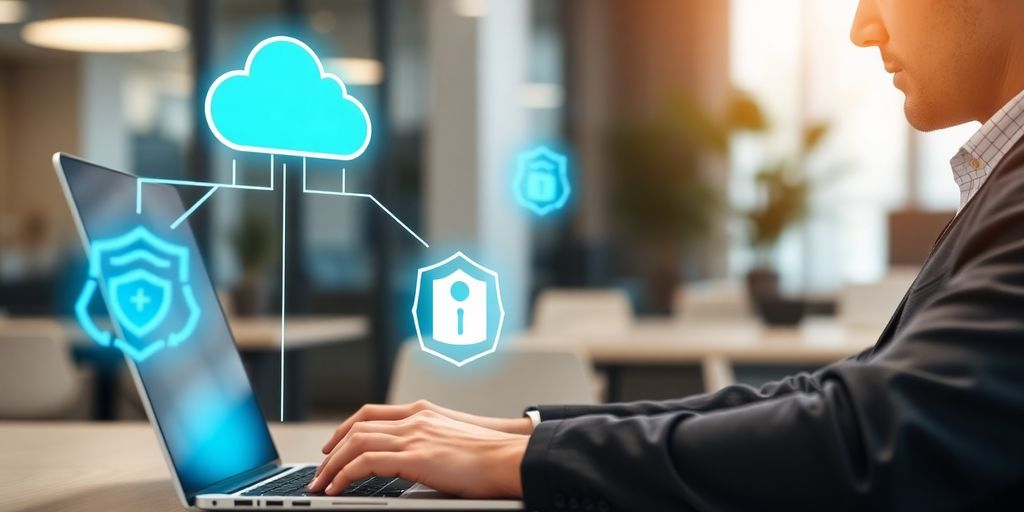
Small business owner working on a laptop with security icons.

Benefits of Cloud-Based Security for SMBs

Cloud-based security solutions offer numerous advantages for small and medium-sized businesses (SMBs). These solutions can significantly enhance data protection and compliance. Here are some key benefits:

  • Cost Savings: Reduces the need for expensive on-premises hardware.
  • Scalability: Easily adjust security measures as your business grows.
  • Accessibility: Access security tools from anywhere, supporting remote work.

Cisco Meraki's Cloud-Managed Security Solutions

Cisco Meraki provides a range of cloud-managed security solutions tailored for SMBs. These include:

  1. Meraki MX Security Appliances: Protects networks with advanced threat detection.
  2. Meraki Cameras: Offers video surveillance that integrates with your network.
  3. Environmental Sensors: Monitors conditions to protect physical assets.

Ensuring Data Security in the Cloud

To keep your data safe in the cloud, consider these practices:

  • Regular Backups: Ensure data is backed up frequently to prevent loss.
  • Strong Password Policies: Use complex passwords and change them regularly.
  • Multi-Factor Authentication: Adds an extra layer of security for user access.
By leveraging cloud security, SMBs can enhance their operational efficiency while managing risks associated with cloud vendors. This approach not only protects sensitive information but also supports compliance with regulations like HIPAA.

Maintaining and Updating Security Systems

Regular Software and System Updates

Keeping your software and systems up to date is crucial for protecting your business from cyber threats. Regular updates help fix security holes and improve functionality. Here are some key points to remember:

  • Always install the latest updates for your operating systems and applications.
  • Schedule updates during off-peak hours to minimize disruption.
  • Use automated tools to ensure updates are applied consistently.

Monitoring and Managing Security Systems

Monitoring your security systems is essential to detect any unusual activity. Here are some steps to follow:

  1. Set up alerts for suspicious activities.
  2. Regularly review logs to identify potential threats.
  3. Conduct routine checks on your security devices to ensure they are functioning properly.

Working with IT Consultants for Enhanced Security

Sometimes, it’s best to get help from experts. Hiring IT consultants can provide your business with:

  • Specialized knowledge in cybersecurity.
  • Assistance in creating a tailored security plan.
  • Ongoing support to keep your systems secure.
Remember: Regularly updating security software, browsers, and operating systems is vital to protect your business from cyber threats. Stay proactive!

Final Thoughts on Protecting Your Small Business

In conclusion, keeping your small business safe from cyber threats is crucial. By taking simple steps like using strong passwords, training your employees, and regularly updating your security software, you can greatly reduce the risk of a data breach. Remember, it’s not just about having the right tools; it’s also about creating a culture of security within your team. Stay informed about the latest threats and be proactive in your approach to cybersecurity. With the right measures in place, you can protect your business, your employees, and your customers from potential harm.

Frequently Asked Questions

Why is cybersecurity important for small businesses?

Cybersecurity is crucial for small businesses because it helps protect sensitive information and prevents financial losses. Many small businesses face cyberattacks, which can lead to costly damages and even closure.

What are common cyber threats that small businesses face?

Small businesses often deal with threats like phishing scams, malware, ransomware, and data breaches. These attacks can compromise sensitive data and disrupt business operations.

How can I improve my business's cybersecurity?

You can enhance your cybersecurity by using strong passwords, installing firewalls and antivirus software, and educating your employees about safe online practices.

What role does employee training play in cybersecurity?

Employee training is vital because it helps staff recognize potential threats and understand best practices for protecting sensitive information. Regular training can reduce the risk of human error.

Should I invest in cyber insurance for my business?

Yes, investing in cyber insurance can help cover costs associated with a data breach or cyberattack. It provides financial protection and can assist with recovery efforts.

How can I secure my physical business assets?

You can secure physical assets by using surveillance cameras, access control systems, and environmental sensors. These measures help protect your property and ensure a safe working environment.

Let’s connect your vision across our scalable infrastructure

Connect with us to explore our scalable solutions tailored to your unique needs and receive a personalized free quote.