Explore the benefits and challenges of migrating your phone system to the cloud for enhanced efficiency.

As businesses continue to evolve in the digital age, many are considering moving their phone systems to the cloud. This shift can provide numerous advantages, including cost savings and improved communication options. However, it also comes with its own set of challenges. In this article, we will explore the benefits of cloud phone migration, the drawbacks of traditional systems, and what to look for in a cloud provider. We'll also outline the steps for a successful migration and share real-world examples of businesses that have made the switch.
Migrating your phone system to the cloud can bring numerous advantages to your business. Here are some key benefits:
One of the biggest advantages is cost savings. Traditional phone systems often come with high maintenance costs and require expensive hardware. In contrast, cloud phone systems typically have lower monthly fees and no need for physical equipment. This can lead to significant savings over time.
Cloud phone systems allow employees to work from anywhere. They can make and receive calls on their mobile devices, which means they are not tied to a desk. This flexibility can lead to increased productivity and employee satisfaction.
As your business grows, your phone system can easily scale with it. You can add or remove users without the need for complex installations. This adaptability ensures that your communication system remains relevant and efficient.
With cloud phone systems, businesses can offer better customer service. Features like call routing, voicemail-to-email, and instant messaging allow for quicker responses to customer inquiries. This can lead to higher customer satisfaction and loyalty.
Migrating to the cloud not only saves money but also enhances the way businesses communicate and serve their customers.
By understanding these benefits, businesses can make informed decisions about migrating their phone systems to the cloud.
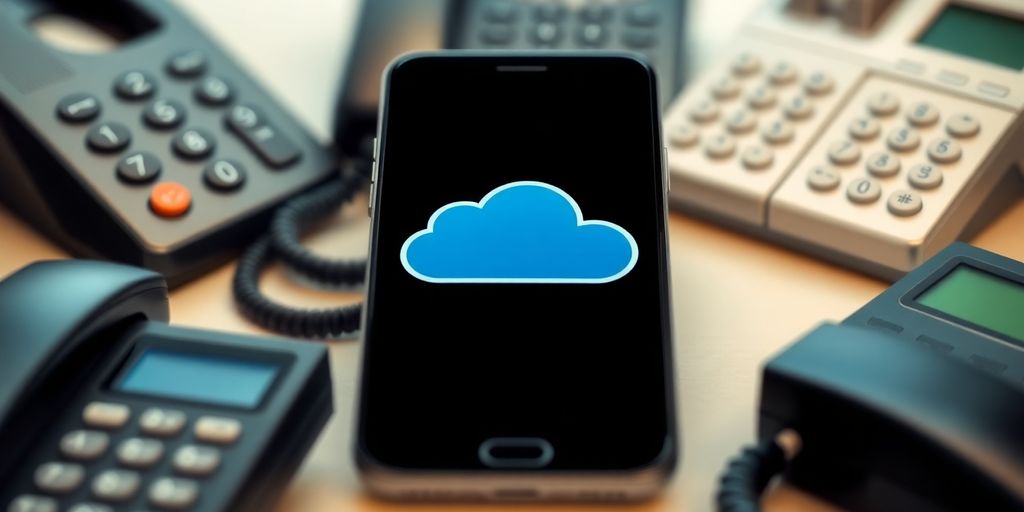
Traditional phone systems face several significant challenges that can hinder business operations. These systems are becoming obsolete as newer technologies emerge, making it essential to understand their limitations.
In summary, businesses must consider the high costs and limitations of traditional phone systems as they evaluate their communication needs. Transitioning to cloud-based solutions can provide a more efficient and cost-effective alternative.
Cloud phone systems offer a range of innovative features that can transform how businesses communicate. Here are some key features:
Cloud phone systems not only enhance communication but also provide a future-proof solution that adapts to changing business needs.
Choosing the right cloud phone provider is crucial for your business. Here are some key points to consider:
In summary, evaluating a cloud phone provider involves understanding your needs, comparing costs, checking support, and ensuring security. This careful assessment can lead to better communication solutions for your business.
Migrating your phone system to the cloud can seem overwhelming, but breaking it down into manageable steps can make the process smoother. Here’s how to do it:
Migrating to a cloud phone system can lead to significant cost savings and efficiency improvements. By following these steps, you can ensure a successful transition that enhances your business communications.
Many small businesses have successfully transitioned to cloud phone systems, leading to significant improvements in their operations. For instance, a local bakery reported a 50% reduction in communication costs after migrating to a cloud-based system. This change allowed them to utilize features like video conferencing and instant messaging, which were previously unavailable with their traditional phone setup.
Large enterprises have also embraced cloud phone systems. A notable example is a multinational corporation that integrated a cloud phone solution across its global offices. This move resulted in a 30% increase in employee productivity due to enhanced collaboration tools and seamless communication across different time zones.
Different sectors have unique needs, and cloud phone systems have catered to these effectively. For example, a healthcare provider adopted a cloud phone system to improve patient communication. They found that 90% of patients preferred text messages for appointment reminders over phone calls, showcasing the importance of flexibility in communication methods.
From these case studies, several lessons can be drawn:
Migrating to the cloud is not just about technology; it's about transforming how businesses communicate and operate. Understanding these options is crucial for organizations to make informed decisions about their security needs.

The future of cloud phone systems is heavily influenced by AI and machine learning. These technologies will help businesses analyze customer interactions, predict trends, and improve service quality. For example, AI can transcribe calls, summarize conversations, and even analyze customer sentiment. This means businesses can respond faster and more effectively to customer needs.
As the Internet of Things (IoT) continues to grow, cloud phone systems will increasingly integrate with various devices. This will allow for seamless communication across platforms, enabling businesses to connect with customers through multiple channels, such as voice, text, and video. Imagine a scenario where your smart devices can alert you about customer inquiries in real-time!
User experience is becoming a top priority. Cloud phone systems will focus on providing a more intuitive interface, making it easier for employees to manage calls, messages, and meetings. Features like drag-and-drop call transfers and customizable dashboards will enhance productivity and streamline workflows.
With the rise of cyber threats, data security will be more critical than ever. Cloud phone systems will implement advanced security measures, such as end-to-end encryption and multi-factor authentication, to protect sensitive information. Businesses must prioritize security to maintain customer trust and comply with regulations.
In summary, the future of cloud phone systems is bright, with innovations in AI, IoT integration, user experience, and security paving the way for more efficient and effective communication solutions.
In conclusion, moving your phone system to the cloud can be a smart choice for many businesses. It can save you money, improve how your team works, and help you keep up with new technology. With cloud systems, you can communicate in more ways, like texting and video calls, which many customers prefer. Plus, it’s easier to set up and manage than traditional phone systems. If you want to make your business more efficient and ready for the future, now might be the perfect time to consider this change.
The cloud can save you money, make it easier to work from anywhere, and improve how you connect with customers.
Traditional systems can be costly to maintain, have limited features, and don’t support remote work well.
You should look for features like all-in-one communication tools, AI support, easy integration with other apps, and strong security.
Think about what your business needs, compare prices, check their customer support, and review their security measures.
Start with planning, pick a provider, set up the system, and then train your team on how to use it.
Yes, there are many success stories from small businesses to large companies that show how cloud systems helped them.
Connect with us to explore our scalable solutions tailored to your unique needs and receive a personalized free quote.