Compare Verkada Cloud and on-premise video surveillance systems. Learn about scalability, cost, remote access, hybrid solutions, and which option fits your business best.

In the ongoing debate between Verkada Cloud and on-premise camera systems, organizations face important choices. Each option has its own benefits and drawbacks, making it crucial to understand what aligns best with your needs. This article breaks down the advantages of cloud cameras, the challenges faced by on-premise systems, and the emerging hybrid solutions that combine the best of both worlds.
Verkada Cloud cameras offer easy scalability, allowing businesses to grow without major upfront costs.
On-premise systems can lead to high maintenance expenses and limited remote access capabilities.
Hybrid solutions provide local storage benefits while leveraging cloud advantages for better data management.
Security and compliance are enhanced in cloud systems through data encryption and adherence to regulations.
Future trends in video surveillance will likely focus on AI, IoT integration, and predictive analytics.
Verkada Cloud Cameras are designed to grow with your needs. This means you can easily add more cameras without worrying about running out of space or needing new hardware. Here are some key points:
Easily add cameras as your business expands.
No need for complex installations or upgrades.
Access your cameras from anywhere, anytime.
Using Verkada's cloud solution can save you money in the long run. Here's how:
No expensive hardware costs for local storage.
Reduced maintenance fees compared to traditional systems.
Pay-as-you-go model allows for better budgeting.
With Verkada, you can manage your security from anywhere. This feature is crucial for modern businesses. Some benefits include:
Monitor live feeds from your smartphone or computer.
Control camera settings remotely.
Instant alerts for any unusual activity.
The cloud-managed platform simplifies security management, making it ideal for modern enterprises. With Verkada, you can focus on your business while ensuring safety and security.
On-premise camera systems come with several significant drawbacks that can impact their effectiveness and overall value. Here are some of the main challenges:
Regular Upkeep: On-premise systems require ongoing maintenance, which can be costly.
Equipment Replacement: Over time, hardware may need to be replaced, adding to expenses.
Technical Support: Hiring IT staff or contracting support can further increase costs.
Access Restrictions: Users often cannot access footage remotely without additional setups.
Dependence on Local Networks: If the local network fails, access to the cameras is lost.
No Cloud Backup: Without cloud integration, footage is vulnerable to loss if local systems fail.
Fixed Capacity: On-premise systems can be hard to scale; adding more cameras often requires new hardware.
Space Limitations: Physical space for equipment can become a constraint as needs grow.
Cost of Expansion: Upgrading systems to accommodate more cameras can be expensive.
On-premise systems may seem appealing at first, but their hidden costs and limitations can lead to frustration and inefficiency in the long run.
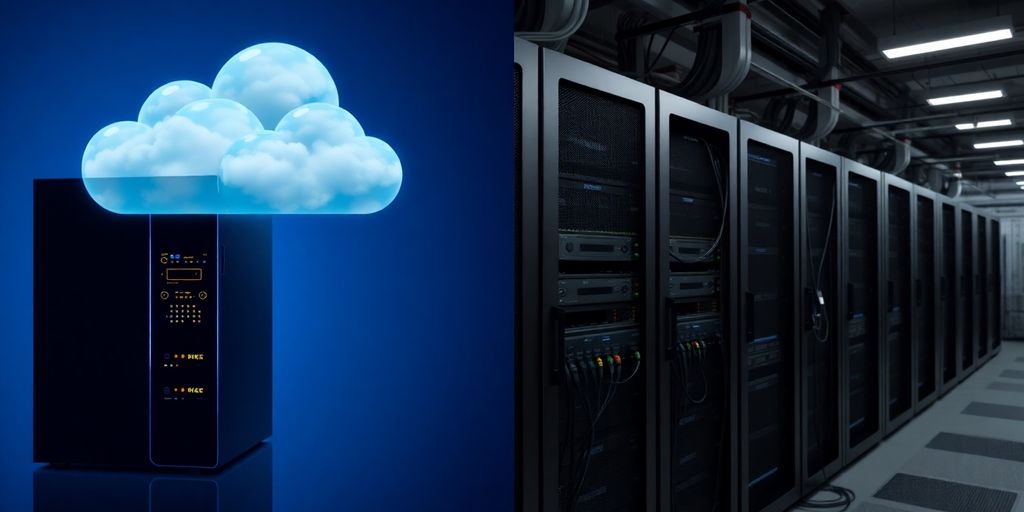
Hybrid cloud solutions combine the benefits of both local and cloud storage, making them a popular choice for many businesses. This approach offers flexibility and reliability that traditional systems often lack.
Continuous Recording: With local storage, cameras can record footage even if the internet goes down, ensuring no gaps in surveillance.
Quick Access: Users can access footage quickly without relying on internet speed, which is crucial during emergencies.
Reduced Bandwidth Use: By storing data locally, hybrid systems use less bandwidth, making them ideal for areas with limited internet connectivity.
Remote Access: Users can view footage from anywhere with an internet connection, providing convenience and peace of mind.
Automatic Updates: Many hybrid systems automatically update software, reducing the need for manual maintenance.
Scalability: Businesses can easily add more cameras without worrying about storage limits or infrastructure changes.
Easy Setup: Hybrid systems often require just a power-over-Ethernet (PoE) connection, making installation straightforward.
Compatibility: These systems can work with existing security setups, allowing for a smooth transition.
Cost-Effective: By combining local and cloud storage, businesses can better manage their overall costs, avoiding unexpected expenses.
Hybrid cloud solutions provide a balanced approach to video surveillance, ensuring that businesses can adapt to their changing needs while maintaining security and efficiency.
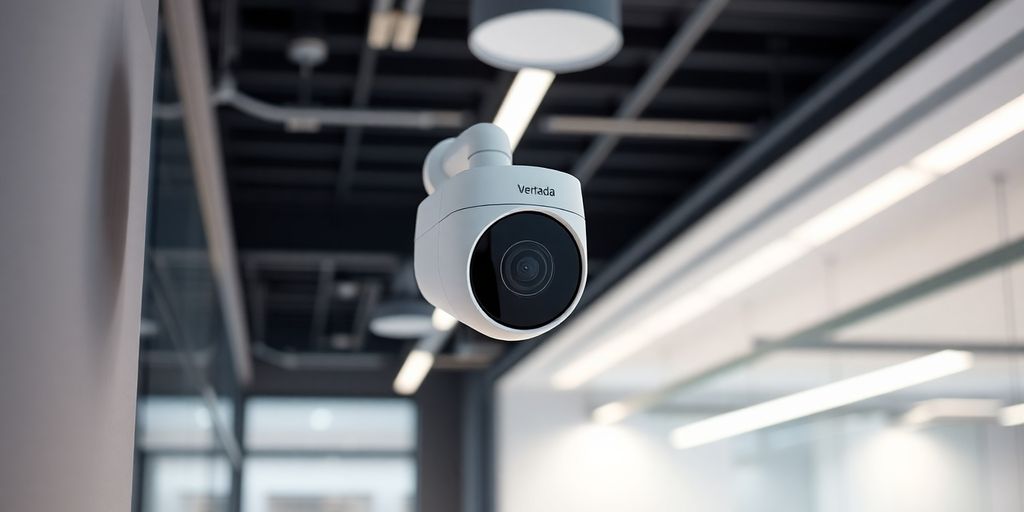
Verkada cameras use strong encryption to protect data both during transmission and when stored. This means that even if someone tries to access the data, they won't be able to read it without the right keys. This is crucial for keeping sensitive information safe.
Verkada is designed to meet various regulatory standards. This includes compliance with laws like HIPAA and PCI, which require strict data protection measures. Organizations can trust that their video data is handled according to the law.
In case of a security breach, Verkada has a solid incident response plan. This includes:
Immediate alerts to users about potential threats.
Regular updates to software to fix vulnerabilities.
Dedicated security teams that monitor systems continuously.
Verkada's approach to security ensures that organizations can focus on their core activities without worrying about data breaches.
When considering initial expenses, Verkada Cloud cameras generally have lower setup costs compared to traditional on-premise systems. This is because:
No need for extensive hardware: Verkada's cloud solution minimizes the need for physical servers.
Simplified installation: The setup process is often quicker and less complex.
Less equipment: Fewer components mean reduced costs.
Ongoing costs can vary significantly between the two systems:
Cloud solutions: Verkada offers automatic updates and maintenance, reducing the need for on-site support.
On-premise systems: These require regular maintenance, which can lead to high costs over time due to:
Frequent repairs: Hardware issues can be costly.
Manual updates: Keeping software up to date often requires technician visits.
Resource allocation: Staff time spent on maintenance can add up.
The total cost of ownership (TCO) is crucial for decision-making:
Verkada Cloud: Lower TCO due to reduced maintenance and operational costs.
On-Premise: Higher TCO because of:
Initial investment: Significant upfront costs for hardware.
Long-term expenses: Ongoing maintenance and potential upgrades.
Scalability issues: Expanding the system can be expensive and complex.
In summary, while on-premise systems may seem cheaper initially, the long-term costs often outweigh the benefits.
Verkada Cloud Cameras are designed with user-friendliness in mind. The interface is intuitive, making it easy for anyone to navigate. Users can quickly access features without extensive training. Here are some key points:
Simple setup process
Clear and organized dashboard
Easy access to camera feeds
With mobile access, users can monitor their security systems from anywhere. This feature is crucial for those who are often on the go. Key benefits include:
Real-time alerts on mobile devices
Ability to view live feeds remotely
Control settings from smartphones or tablets
Managing user permissions is straightforward with Verkada. Administrators can easily add or remove users and assign roles. This ensures that only authorized personnel have access to sensitive information. Important aspects include:
Role-based access control
Quick user provisioning
Audit trails for accountability
In today's fast-paced world, having a reliable and accessible security system is essential for peace of mind. Verkada's cloud solutions provide the flexibility and control needed to keep your premises secure, no matter where you are.
The future of video surveillance is heavily influenced by AI and machine learning. These technologies help in analyzing video feeds in real-time, allowing for quicker responses to incidents. For example:
Facial recognition can identify individuals in crowded places.
Anomaly detection can alert security teams to unusual behavior.
Predictive analytics can forecast potential security threats based on historical data.
The integration of the Internet of Things (IoT) is transforming how surveillance systems operate. Cameras and sensors can now communicate with each other and other devices, leading to:
Enhanced data sharing between devices.
Improved response times during emergencies.
Greater automation in security protocols.
Predictive analytics is becoming a game-changer in video surveillance. By analyzing patterns and trends, organizations can:
Anticipate security breaches before they happen.
Optimize resource allocation for security personnel.
Enhance overall safety measures based on data-driven insights.
The future of video surveillance is not just about capturing footage; it's about using that footage to make informed decisions and improve safety.
In summary, the trends in video surveillance are moving towards smarter, more integrated systems that leverage technology to enhance security and efficiency. Exploring tomorrow's video security will be essential for staying ahead in this rapidly evolving field.
In conclusion, as we look ahead, it's clear that many businesses are shifting towards cloud-based systems. However, the right choice depends on what fits best with a company's needs. While on-premise systems have their challenges, they aren't disappearing anytime soon. Still, organizations should think about the benefits that cloud services offer. The long setup times, high initial costs, and tricky updates of on-premise systems can make it hard to grow and adapt. Therefore, considering a cloud option might be a smart move for many.
Verkada Cloud Cameras offer flexibility, cost savings, and the ability to access your camera feeds from anywhere.
On-premise systems can be expensive to maintain, may lack remote access, and can have issues when trying to grow.
A hybrid cloud solution combines local and cloud storage, giving you the advantages of both while reducing limitations.
Verkada uses data encryption and follows regulations to keep your information safe and secure.
While on-premise systems have high upfront costs, Verkada Cloud can be more affordable in the long run due to lower maintenance.
Expect to see more use of AI, integration with the Internet of Things (IoT), and predictive analytics in video surveillance.
Connect with us to explore our scalable solutions tailored to your unique needs and receive a personalized free quote.