Explore effective strategies to optimize your security systems for enhanced protection and efficiency.

In today's world, having a strong security system is vital for protecting your business. But just having a system isn't enough; it needs to work well and stay up-to-date. This article will explore the best ways to enhance your security systems, ensuring they are effective and reliable. We'll cover everything from assessing your current setup to upgrading technology and involving your team in the process.
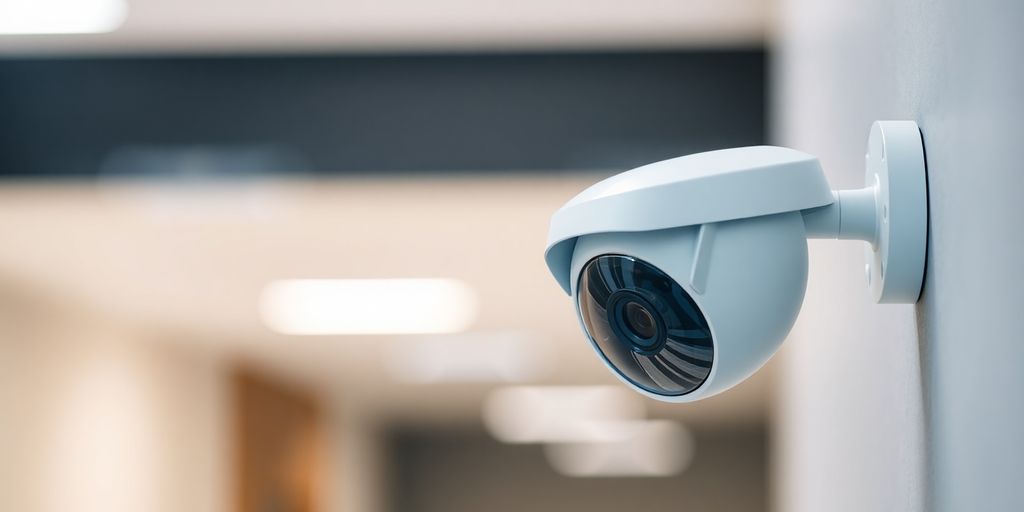
Optimizing your security systems is crucial for keeping your business safe. An effective security system can prevent losses and protect your assets. Without proper optimization, systems can become outdated and vulnerable to attacks.
Many businesses face challenges with their security systems, such as:
An optimized security system offers several advantages:
An optimized security system not only protects your assets but also enhances overall operational efficiency.
By investing in integrated solutions like those offered by Harris Technology Services, businesses can ensure they are prepared for any security challenges that may arise. This proactive approach helps in maintaining a secure environment while also adapting to new technologies and threats.
To start optimizing your security systems, you need to evaluate your site thoroughly. This means looking at:
Next, it’s crucial to identify any weak spots in your security. Consider:
Finally, assess the technology you currently use. This includes:
Conducting a thorough assessment is essential for understanding your security needs and making informed decisions. By identifying vulnerabilities and evaluating current technology, you can create a more effective security strategy.
To keep your security systems running smoothly, regular system checks are essential. This includes:
Keeping your software and hardware up to date is crucial. Here are some steps to follow:
Training your staff on maintenance protocols can greatly enhance your security system's effectiveness. Consider:
Regular maintenance not only keeps your systems functional but also helps in identifying potential vulnerabilities before they become serious issues.
By implementing these strategies, you can ensure that your security systems remain effective and reliable, ultimately protecting your assets and personnel. Remember, preventative maintenance is key to a successful security management program!
When considering upgrades, it’s essential to evaluate new security technologies that can enhance your system. Here are some key areas to focus on:
Integrating new technologies with your current systems can be challenging but rewarding. Here are steps to ensure a smooth integration:
Before making any upgrades, it’s crucial to perform a cost-benefit analysis. Consider the following:
Upgrading your security systems is not just about keeping up with technology; it’s about ensuring the safety and reliability of your operations.
By focusing on these areas, you can effectively upgrade and integrate new technologies into your security systems, ensuring they remain robust and effective against evolving threats. Leveraging integrated security capabilities can significantly enhance your overall security posture.
Modern security systems can leverage surveillance technologies to enhance your security measures. Video analytics can help in various ways, such as:
Automation can significantly improve efficiency. Here are some automated processes to consider:
With advancements in technology, remote management has become essential. Benefits include:
By integrating these advanced features, businesses can not only enhance their security but also improve operational efficiency. Regularly revisiting your security setup ensures you’re maximizing the benefits of modern technology.

Involving everyone in the security process is crucial. Building a strong community within the security team helps in understanding the needs and concerns of all members. Here are some key points to consider:
Collaboration is essential for effective security optimization. By working together, departments can identify potential challenges and solutions. Consider these steps:
Creating a culture that prioritizes security can lead to better outcomes. Here are some ways to foster this culture:
Involving stakeholders at all levels not only improves security but also boosts morale and reduces turnover. Maintaining open lines of communication between the security team and other stakeholders is vital. This ensures that security requirements are effectively met, leading to a safer environment for everyone.
To ensure your security systems are effective, it's crucial to regularly assess your needs. Here are some steps to follow:
Security threats are always evolving. To stay ahead, consider these strategies:
Tracking the effectiveness of your security systems is essential for maximizing ROI. Here’s how:
Continuous improvement is not just about fixing problems; it's about creating a culture of proactive security management.
By focusing on these areas, organizations can maximize their return on investment in security systems, ensuring they remain effective and efficient over time.
To truly boost your return on investment, it's essential to embrace a mindset of ongoing improvement. By regularly assessing and refining your strategies, you can unlock new levels of efficiency and effectiveness. Don't wait—visit our website today to discover how we can help you enhance your business operations!
In summary, optimizing your security systems is crucial for keeping your business safe and running smoothly. Regular maintenance, timely upgrades, and staying updated with the latest technology are key steps to ensure your systems work effectively. By taking these actions, you not only protect your assets but also gain peace of mind. Remember, a well-optimized security system can adapt to your changing needs and help you respond quickly to any threats. So, take the time to assess your current setup and make the necessary improvements to secure your business for the future.
Optimizing security systems helps keep your business safe and running smoothly. It makes sure your protection is up-to-date and can handle new threats.
Common problems include outdated technology, not enough maintenance, and not knowing where the vulnerabilities are.
Start by checking your equipment, identifying weak points, and reviewing the technology you currently use.
Regular checks on cameras and control panels, updating software, and training staff on maintenance are important.
If your system is outdated or struggling to keep up with new threats, it's time to consider an upgrade.
Employees should be trained and involved in the security process to create a culture of safety and awareness.
Connect with us to explore our scalable solutions tailored to your unique needs and receive a personalized free quote.